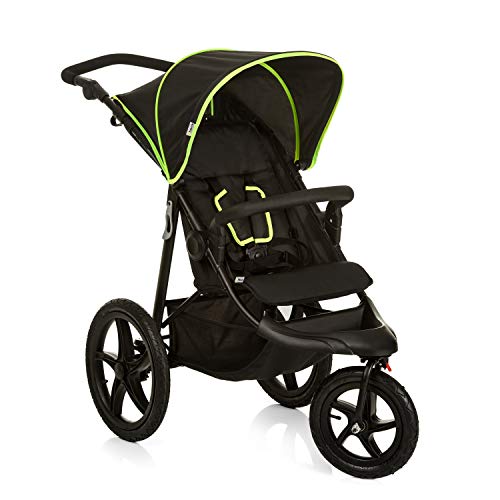
15 Latest Trends And Trends In Pushchair
Pram and Pushchair Travel Systems: The Ultimate Guide for Parents
When it comes to preparing for a new baby, the alternatives for baby equipment can be frustrating. Among the core basics, prams and pushchairs hold a prominent location. Selecting the right travel system is essential for both convenience and benefit, making it a vital subject for expectant moms and dads. In this thorough guide, we will explore what pram and pushchair travel systems are, their benefits, crucial features to search for, and some FAQs to help you make the best choice for your family.
Comprehending Travel Systems
A travel system is a combination of a stroller (pushchair) and an infant automobile seat, which are designed to work effortlessly together. With this service, moms and dads can move their baby from the vehicle to the stroller without waking them up, making travel more hassle-free.
Distinctions in between Prams and Pushchairs
Before diving into the specifics of travel systems, it's important to understand the distinction between prams and pushchairs:
Feature
Prams
Pushchairs
Age Range
Birth to approximately 6 months
6 months and older
Position
Flat position for newborns
Upright and reclining choices
Weight
Normally much heavier
Typically lighter
Maneuverability
May be bulkier
Usually more compact
Storage
Often less storage area
Functions differing storage options
Prams are designed with a flat surface, making them suitable for newborns who require a lie-flat position. On the other hand, pushchairs are more flexible and can adapt as the child grows.
Benefits of a Travel System
Utilizing a travel system uses several benefits for brand-new parents, including:
Convenience: The main advantage of a travel system is the ease of transitioning from vehicle to stroller. This system is created to facilitate smooth transfers.
Cost-Effective: Purchasing a travel system can be more economical than purchasing a safety seat and stroller separately.
Security Compatibility: Infants are safe in a safety seat created to fit the stroller, ensuring a safe attachment and safe travel experience.
Flexibility: Many travel systems come with devices such as a bassinet for older babies or a young child seat for older children.
Key Features to Look For
When selecting a travel system, particular functions can enhance your experience and ensure you select a useful choice for your lifestyle.
Function
Importance
Safety Standards
Make sure compliance with security policies.
Quick-release Mechanism
Search for a user friendly safety seat release system.
Lightweight Frame
A lighter frame is much easier to steer.
Storage Space
Adequate storage under the stroller is a plus.
Reclining Seat
A multi-position recline is vital for nap time.
Adjustable Handles
Consider height-adjustable manages for convenience.
All-Terrain Wheels
If you plan to use it outdoors, try to find long lasting wheels.
Popular Travel System Options
Here is a list of some well-reviewed travel systems presently available on the marketplace:
Chicco Bravo Quick-Fold Travel System
- Includes: Bravo Quick-Fold Stroller and KeyFit 30 Infant Car Seat
- Functions: Easy fold mechanism, big storage basket, and adjustable canopy.
Graco Modes 3 Lite DLX Travel System
- Consists of: Modes 3 Lite DLX Stroller and SnugRide 30 Infant Car Seat
- Features: Multi-position seat, parent tray with cup holders, and a lightweight design.
Baby Jogger City Mini GT2 Travel System
- Includes: City Mini GT2 Stroller and City GO 2 Infant Car Seat
- Functions: All-terrain wheels, one-hand fold, and adjustable calf support.
Baby Trend Expedition Travel System
- Includes: Expedition Jogger Stroller and Flex-Loc Infant Car Seat
- Features: Versatile jogger style, big storage basket, and parent console.
Peg Perego Booklet Travel System
- Includes: Booklet Stroller and Primo Viaggio 4-35 Infant Car Seat
- Functions: Compact fold, adjustable handlebar, and premium material.
Regularly Asked Questions
What is the distinction in between a travel system and a routine stroller?
A travel system combines a stroller with a baby safety seat, enabling easy shifts from automobile to stroller. Routine strollers do not have accompanying safety seat, suggesting that moving a sleeping baby can be troublesome.
At what age can I change from a pram to a pushchair?
Normally, babies can transition to a pushchair around 6 months of age, as soon as they have the ability to sit up unsupported. Always consult your pediatrician for tailored advice.
Are travel systems safe for my baby?
Yes, travel systems are created to meet strict security requirements. It is crucial to make sure that the safety seat is correctly installed in the cars and truck and firmly connected to the stroller.
Do I truly require a travel system, or can I buy items independently?
While a travel system uses benefit and compatibility, moms and dads have the option to buy a stroller and safety seat independently. Nevertheless, read more may cause compromising some convenience.
How much should I anticipate to invest in a travel system?
The rate of travel systems can differ extensively, ranging from around ₤ 100 to over ₤ 800 depending upon the brand name, functions, and products used.
Selecting the right pram and pushchair travel system is an important decision for new moms and dads. By comprehending the differences in between prams and pushchairs, thinking about the benefits of a travel system, and knowing what features to look for, parents can make an educated option that fits their lifestyle and budget plan. Investing in the ideal travel system will not just make getaways more pleasurable but also guarantee security and convenience for the latest member of the household. As always, it's recommended to conduct comprehensive research study, read evaluations, and even check out options in-store when possible to find the ideal suitable for you and your baby. Happy travels!